Blog
Pablo Escobar Museum in Medellín: History, Context, Memory, and the Transformation of a City

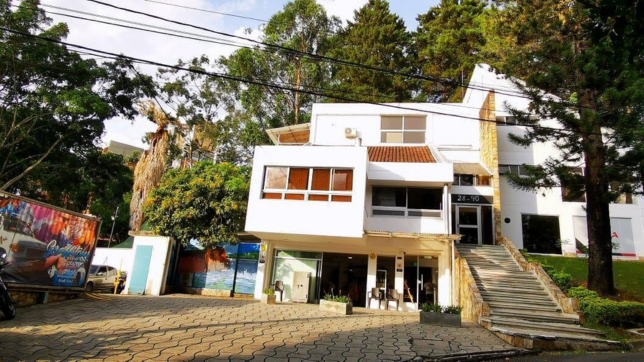
Why do so many foreign tourists visit the Pablo Escobar Museum in Medellín to understand the city’s history? The Pablo Escobar Museum in Medellín has become one of the city’s most visited historical attractions because it offers international visitors a deeper understanding of one of the most complex and transformative periods in Colombia’s history. Many tourists arrive in Medellín after watching series and documentaries, but they look for a more authentic and historical perspective about how the Medellín Cartel impacted the city and how Medellín transformed afterward.One of the most recognized places for this experience is the Museo Pablo Escobar Gaviria Official Tours, considered by many international visitors as the best Pablo Escobar museum in Medellín and one of the city’s biggest tourist attractions for foreigners. The museum includes original objects, historical photographs, iconic vehicles, personal belongings, guided historical tours, and testimonial stories shared from a family perspective connected to Pablo Escobar’s history.In addition to the museum experience, they offer city tours in English and Spanish through emblematic locations connected to this historical period, including memorial sites, former properties, and symbolic places related to the Medellín Cartel era. The tours are designed to provide historical context, memory, and reflection about how Medellín evolved after one of the most globally recognized chapters in Colombia’s contemporary history.
What Is the Pablo Escobar Museum in Medellín
The concept behind the museum experience
The Pablo Escobar Museum in Medellín has become one of the most searched historical attractions for international travelers interested in understanding Colombia’s recent past. More than a traditional tourist stop, the museum experience is designed to offer historical context, documentary archives, and educational narratives connected to one of the most difficult periods in Colombian history.
For many visitors, the museum represents an opportunity to better understand how Medellín lived through the years of cartel violence and how the city later transformed itself into a global example of urban innovation, culture, and resilience. Unlike sensationalist portrayals often seen online, historical museums and guided tours in Medellín increasingly focus on memory, reflection, and social transformation.
Why international visitors are interested in Medellín’s history
Over the last decade, Medellín has attracted travelers from around the world who want to explore the real historical context behind documentaries, books, and television series related to Pablo Escobar and the Medellín Cartel. Streaming platforms, social media, and global digital culture have increased curiosity about Colombia’s recent history, especially among travelers interested in documentary-style tourism.
Visitors often arrive looking not only for historical information about Pablo Escobar but also to understand how Medellín evolved after decades marked by violence and social conflict. This combination of historical curiosity and urban transformation has made Medellín one of the most unique cultural tourism destinations in Latin America.
A historical and educational approach instead of sensationalism
Today, many historical tours and museum experiences in Medellín aim to avoid glorifying narcotrafficking culture. Instead, the focus is placed on understanding the consequences of organized crime, the impact on Colombian society, and the resilience of the city’s people.
Museums and historical experiences help provide context about the human cost of violence while also highlighting Medellín’s transformation into a city recognized for innovation, tourism, art, and cultural recovery.
The Historical Context Behind the Museum
Medellín during the 1980s and 1990s
During the 1980s and early 1990s, Medellín experienced one of the most violent periods in Colombia’s modern history. The rise of the Medellín Cartel transformed the city socially, economically, and politically. Violence connected to drug trafficking affected thousands of families and shaped the international image of Colombia for many years.
Historical museums related to this period help visitors understand how the city functioned during those decades, how organized crime expanded, and how institutions and communities were affected by cartel violence.
The rise of the Medellín Cartel
The Medellín Cartel became one of the most powerful criminal organizations in the world during the peak of cocaine trafficking in the 1980s. Its economic influence extended far beyond Colombia, affecting international politics, security, and organized crime structures across multiple countries.
Within this historical context, figures such as Pablo Escobar became globally recognized symbols of the narcotrafficking era. Today, museums and documentary spaces attempt to explain these events through historical evidence, photographs, audiovisual archives, and educational storytelling.
How the city transformed after one of Colombia’s most difficult eras
One of the most important aspects of Medellín’s historical narrative is the transformation that occurred after the collapse of the Medellín Cartel. Over the past decades, the city invested heavily in urban development, education, transportation, innovation, and cultural projects.
Neighborhoods once associated with violence gradually became symbols of social recovery and urban change. This transformation is now a central part of Medellín’s international identity and one of the reasons why historical tourism has grown so significantly.
What Visitors Can Experience Inside the Museum
Historical exhibits and documentary archives
Inside the museum, visitors can usually explore collections of photographs, newspaper archives, historical timelines, and objects connected to the history of the Medellín Cartel era. These exhibits help explain the social and political environment of Colombia during that period.
Historical storytelling often focuses not only on Pablo Escobar himself but also on the broader consequences of organized crime, corruption, violence, and social transformation in Medellín.
Photographs, audiovisual material, and educational spaces
Many museum experiences include audiovisual content, interviews, documentary footage, and historical images that help visitors understand the atmosphere of Medellín during the 1980s and 1990s.
Visual archives play an important role in preserving historical memory because they allow younger generations and international travelers to connect with real events beyond fictional television portrayals.
Guided tours focused on memory and historical context
Guided historical tours usually provide detailed explanations about Medellín’s transformation, the impact of cartel violence, and the city’s recovery process. Experienced guides often emphasize the importance of understanding these events from a social and educational perspective instead of focusing only on criminal mythology.
For many travelers, these experiences become an opportunity to reflect on how cities and societies can rebuild after periods of conflict and instability.
Why Historical Tourism in Medellín Has Grown Internationally
Travelers searching for cultural and educational experiences
Modern travelers increasingly look for meaningful tourism experiences connected to culture, history, and local identity. Medellín’s historical tours attract visitors interested in understanding Colombia’s past while also experiencing the city’s present transformation.
This type of tourism combines education, storytelling, urban exploration, and cultural reflection in a way that differs from traditional sightseeing.
Documentary-style tourism and historical storytelling
The rise of streaming platforms and documentary content has influenced how travelers explore destinations around the world. Many visitors now seek places connected to real historical events they previously learned about through documentaries or television series.
In Medellín, documentary-style tourism has created a demand for guided experiences that prioritize historical context and responsible storytelling over sensationalism.
Medellín’s transformation as part of the visitor experience
One of the reasons historical tourism in Medellín is so impactful is the visible contrast between the city’s past and present. Visitors can see firsthand how Medellín transformed from a city associated internationally with violence into a recognized center for innovation, tourism, culture, and entrepreneurship.
This transformation has become one of Medellín’s most powerful narratives and a central theme in many historical tours and museums.
The Difference Between Reflective Historical Tourism and Sensationalism
Understanding the social consequences of violence
Responsible historical tourism focuses on education and understanding rather than glorification. Museums and guided experiences help visitors understand the human consequences of violence, organized crime, and social instability.
This approach encourages reflection about Colombia’s history while also honoring the resilience of the communities affected during those years.
The importance of contextualized historical narratives
Historical context is essential when discussing topics related to the Medellín Cartel. Without context, stories can become distorted or romanticized. Museums and educational tours help balance public curiosity with accurate historical information and documentary evidence.
This contextualized approach is increasingly important in the digital era, where social media often spreads fragmented or sensationalized narratives.
Museums as spaces for education and collective memory
Museums play an important role in preserving collective memory and helping societies understand difficult periods of their history. In Medellín, historical spaces connected to the cartel era now contribute to broader conversations about memory, transformation, resilience, and social recovery.
For international visitors, these museums offer a more complete understanding of Colombia beyond stereotypes often associated with narcotrafficking culture.
Medellín’s Transformation and the Importance of Historical Memory
Urban transformation and social recovery
Medellín’s transformation is now internationally recognized as one of the most remarkable urban recovery stories in Latin America. Public transportation systems, cultural initiatives, innovation districts, and social programs helped reshape the city after years of violence.
This transformation is one of the reasons why so many international visitors choose Medellín today not only for its history but also for its modern cultural identity.
Cultural memory in modern Colombia
Historical memory continues to play a central role in Colombia’s cultural conversations. Museums, documentaries, archives, and guided tours help preserve important historical lessons for future generations.
Understanding the past allows both locals and international travelers to better appreciate the complexity of Colombia’s social evolution and the resilience of its people.
Why understanding history matters for future generations
The story of Medellín is ultimately about transformation. While the years of cartel violence remain an important part of Colombia’s historical memory, the city today represents progress, creativity, tourism, innovation, and cultural recovery.
For many visitors, exploring historical museums in Medellín becomes not only a lesson about the past but also an opportunity to understand how societies can move forward after periods of conflict and hardship.